Do you know if everyone training in your club is valid and paid up?
Kath Hudson finds out about the latest access control technology designed to help prevent fraud
By Kath Hudson | Published in Health Club Management 2013 issue 10
Fraud is surprisingly common in health clubs. It can take various forms: tailgating, lending a membership card to other people, or continuing to go to the club when the membership has expired or is in arrears. Lower grade fraud might involve paying up for a basic membership, but then nipping into a class or facility that isn’t part of the membership package, going at peak times on an off-peak membership, or maybe just helping yourself to a towel.
The general public will easily find a way of justifying their actions to avoid feeling guilty about these little transgressions: they have been paying their membership but haven’t managed to get there, so why can’t their spouse have the benefit? A lot of the time they might be small incidents, but added up it could be costing your club thousands of pounds over the course of the year – at least enough to install an access control system.
Which leads us to the next question: what sort of access control system? Should gyms install turnstiles or do they create a barrier to entry, making the gym look officious rather than friendly and welcoming? How about having access control systems in other parts of the club – systems that, for example, would prevent someone who’s only paying for a gym membership from sneaking into the wet facilities? Is this taking it too far and spoiling the atmosphere, or is it protecting the club – and those members who don’t take advantage?
When it comes to access control systems, what technology is currently available, what’s coming soon, and what are the pros and cons of each option? We ask the experts for their thoughts....
AITOR ELORZASALES DIRECTOROJMAR
AITOR ELORZA
Membership fraud has a relatively high incidence and clubs need a defined strategy to avoid it, working out what kind of fraud is being carried out and designing a strategy to keep it at bay.
RFID is the most popular technology in mainland Europe, with proven effectiveness. As well as being used for access control, the identification media can be used for other services like lockers, cashless payment and cardio suites. Members like to have an all-in-one card. On the down side, it’s fairly easy to be passed to a friend, but this can be prevented via visual surveillance, with a photo showing up on the reception computer screen or combined with other technologies. Usually the highest integration level (lockers, cashless, activities) leads to the lowest fraud incidence, as the fraudulent user can be detected in different areas.
Biometrics can be considered the panacea against fraud, as the member must check in with their fingerprint or hand, but there are drawbacks: identification can be slow, which can lead to queues, and it’s negatively regarded by some as an attack on privacy.
as well as being used for access control, rfid can be used for lockers, cashless payments and so on – members like to have an all-in-one card
TOM WITHERSHEAD OF SALES & BUSINESS DEVELOPMENTGLADSTONE
TOM WITHERS
If clubs don’t have a physical control for customers, they’re reliant on members being conscientious enough to sign in properly, and the public will find ways to take advantage. Validation at reception, a visible token such as a wristband or staff spot checks need to be in place – but even then, if someone doesn’t want to pay, they will find a way around these measures.
Showing the customer’s image on large screens by the turnstile when they swipe their card or enter their PIN helps stop people sharing a membership.
Near field communication (NFC) within mobile phones has great potential for leisure: everyone likes to have their phone on them and, unlike a membership card or PIN, they’re unlikely to give it to someone else to use. Phones will also interact with apps such as the one we’re currently creating, which can be used to automatically check members into or around a building and can be used for checking into classes, allowing instructors to ensure that everyone attending is valid.
Apps have the added advantage of capturing data automatically – clubs can find out about member’s habits without them signing in or doing anything.
Unfortunately not all phones have this technology yet, so it will be a few years before this can become widespread.
Getting it right can cost money, but the returns are real. I know a club that invested £20,000 in turnstiles, which paid back within six months by trapping unpaid usage. They even found one regular user who had not paid in over eight years.
SHEZ NAMOOYABUSINESS DEVELOPMENT MANAGEREZ RUNNER
SHEZ NAMOOYA
Health club operators have the unenviable task of protecting their business, but doing so in a way that doesn’t seem too draconian. But it’s very important. As one of our clients said: “If they can cheat you, they will!”
Turnstiles are undoubtedly effective, but a number of our clients say they give the wrong impression. Also, unless other checks are in place, people can still pass their card to a friend behind them. We have clients who don’t agree with gate access, but instead ask their members to swipe their card at reception.
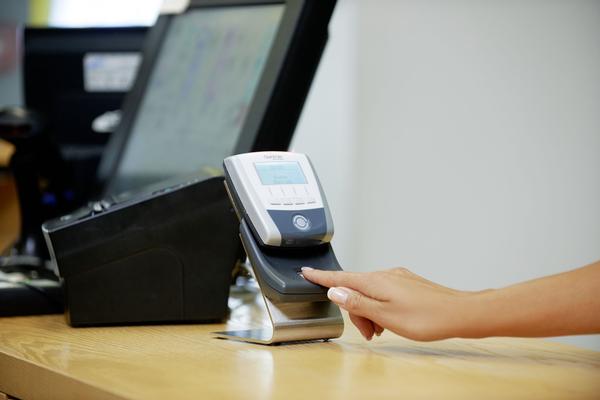
When a member swipes their card using our system, a photo appears on the access screen. This gives clubs great control in terms of managing peak/off-peak entry, expired member entries, bad debtor entries and anyone borrowing someone else’s membership.
I’ve been to many sites where members exploit the admin time it takes for the health club to manage debtors, costing them thousands of pounds a month. Our direct debit system can automatically place messages at reception for bad debtors, or prevent entry where there are gates, and automatically send out rejection emails. To prevent people from entering fake data – fake addresses, bank account details and so on – we also offer validation of member details.
GUY FOSTERBUSINESS DEVELOPMENT MANAGERCLUBWISE
GUY FOSTER
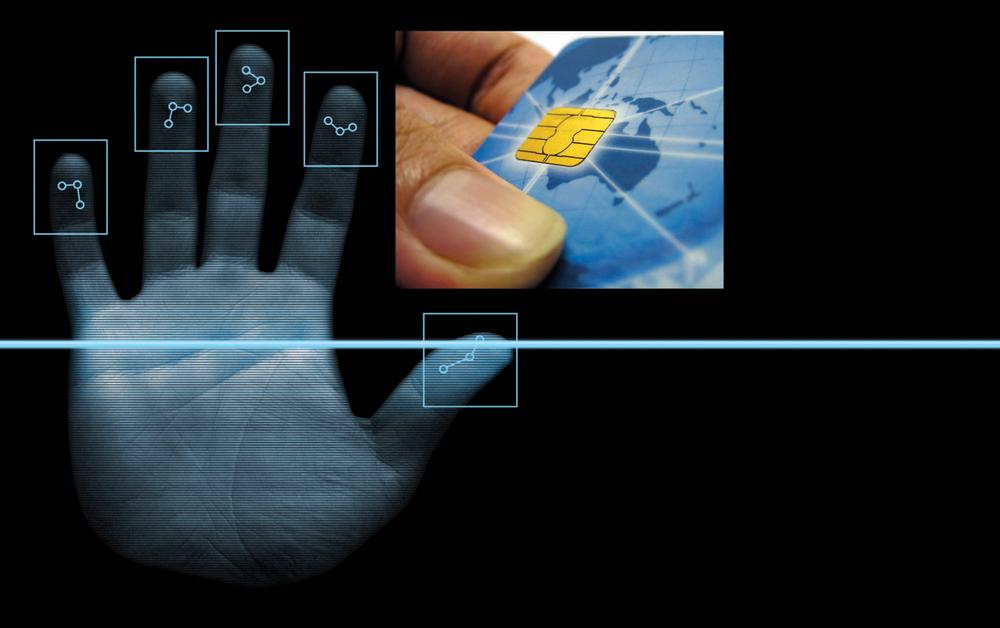
The only sure-fire way to prevent membership fraud is to use biometric technology linked to a turnstile, gate or access door. By enrolling an image of the member’s fingerprint, our biometric technology ensures only that specific member can gain access to the club. The scanner reads intricate details from each fingerprint to ensure every record is as precise as possible.
Biometrics allow reception cover to be scaled down at quiet times, or even become totally unmanned. After all, people can hand over a card or a PIN to their friends, but not their fingers!
Where a member is unwilling or unable to provide a scan, proximity card and PIN code alternatives can be built into the single access control scanner for more flexibility. Tailgating and CCTV technology can allow us to report to the club on those members who are still trying to abuse the system.
While the initial costs of implementing the solution are slightly higher than some barcode and cards solutions, the ongoing costs are considerably less, as clubs no longer have to budget for things like membership cards. Members also don’t have to remember to bring a membership card with them each time they visit.
The benefits of biometrics must be weighed up against the costs
ALEXANDER EGELEBUSINESS DEVELOPMENT MANAGERGANTNER
ALEXANDER EGELE
Based on reports from our customers, up to 10 per cent of people training in a club that doesn’t have an automated turnstile-based access control system are likely not to be valid members: they either use a friend’s membership card, have an expired membership, or haven’t paid the membership fee at all. Fitness clubs with a turnstile still report about 5 per cent of customers cheat by using the card of a friend or family member.
We believe the best control system is a combination of smart cards with a state of the art biometric component. We offer a fingerprint-on-card access control reader, where the member has to hold a smart card, wristband or key fob up to the reader and verify with their finger that they are the card-holder. The biometric data is stored as vectors in designated sectors in the memory of the smart card. These sectors are secured with crypt keys to ensure no external readers can read or access this data.
The verification process takes less than a second and, to ensure members’ privacy is maintained, there’s no link between the club management software and the biometric data, which is solely stored in the memory of the smart card.
Gantner’s system uses fingerprints to verify that members are the card-holders
GORDON WATSONGENERAL MANAGERAUTHENTIC8
GORDON WATSON
Until clubs install an access control system, they can’t quantify the problem, but we suspect fraud is more widespread than operators realise. The main problems we come across are card sharing and card cloning: it’s easy to clone a basic membership card or replicate barcodes, even on Microsoft Word.
Member identification can be validated very simply by printing their photo on the card. This only requires around £1,000 in initial outlay for the card printer and means the card can be checked anywhere in the club.
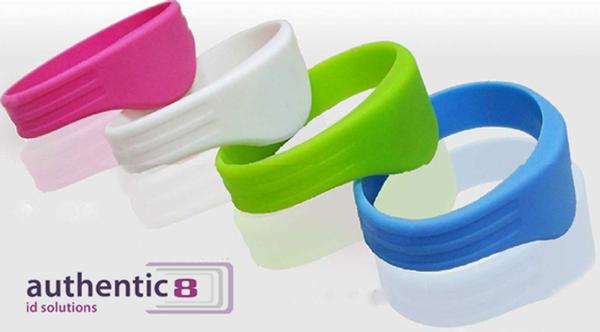
However, we’re now looking to enhance member authentication using biometrics. In our view, the ultimate solution is biometrics combined with an RFID wristband or card. Members are issued with a smart wristband, card or fob, which incorporates a scan of their fingerprint. When they enter the club they have to first swipe the wristband (or card or fob) and then scan their fingerprint. This gives you a secure, scalable solution that completely eliminates card sharing and cloning.
However, biometrics is an expensive solution, so operators need to weigh up the significant costs against the benefits.
Authentic8: Combining biometrics with smart wristbands, cards and fobs
Biometrics: The panacea against fraud or an invasion on privacy?
Active Blackpool is deploying Cornerstone Connect, a new digital interface allowing
disparate information from multiple systems to be aggregated into one dataset, to support
its focus on reducing health inequalities and improving healthy life expectancy. [more...]
Panatta brought together four of the most influential figures in bodybuilding history on the
stage of RiminiWellness 2026: Phil Heath, Lee Haney, Ronnie Coleman and Hany Rambod. [more...]
+ More featured suppliers
COMPANY PROFILES
ukactive
ukactive is the UK’s leading trade body for the physical activity sector, bringing together more tha [more...]
Serco Leisure
Serco Leisure Operating Limited is one of the UK’s leading national operators of leisure centres, de [more...]
Do you know if everyone training in your club is valid and paid up?
Kath Hudson finds out about the latest access control technology designed to help prevent fraud
By Kath Hudson | Published in Health Club Management 2013 issue 10
Fraud is surprisingly common in health clubs. It can take various forms: tailgating, lending a membership card to other people, or continuing to go to the club when the membership has expired or is in arrears. Lower grade fraud might involve paying up for a basic membership, but then nipping into a class or facility that isn’t part of the membership package, going at peak times on an off-peak membership, or maybe just helping yourself to a towel.
The general public will easily find a way of justifying their actions to avoid feeling guilty about these little transgressions: they have been paying their membership but haven’t managed to get there, so why can’t their spouse have the benefit? A lot of the time they might be small incidents, but added up it could be costing your club thousands of pounds over the course of the year – at least enough to install an access control system.
Which leads us to the next question: what sort of access control system? Should gyms install turnstiles or do they create a barrier to entry, making the gym look officious rather than friendly and welcoming? How about having access control systems in other parts of the club – systems that, for example, would prevent someone who’s only paying for a gym membership from sneaking into the wet facilities? Is this taking it too far and spoiling the atmosphere, or is it protecting the club – and those members who don’t take advantage?
When it comes to access control systems, what technology is currently available, what’s coming soon, and what are the pros and cons of each option? We ask the experts for their thoughts....
AITOR ELORZASALES DIRECTOROJMAR
AITOR ELORZA
Membership fraud has a relatively high incidence and clubs need a defined strategy to avoid it, working out what kind of fraud is being carried out and designing a strategy to keep it at bay.
RFID is the most popular technology in mainland Europe, with proven effectiveness. As well as being used for access control, the identification media can be used for other services like lockers, cashless payment and cardio suites. Members like to have an all-in-one card. On the down side, it’s fairly easy to be passed to a friend, but this can be prevented via visual surveillance, with a photo showing up on the reception computer screen or combined with other technologies. Usually the highest integration level (lockers, cashless, activities) leads to the lowest fraud incidence, as the fraudulent user can be detected in different areas.
Biometrics can be considered the panacea against fraud, as the member must check in with their fingerprint or hand, but there are drawbacks: identification can be slow, which can lead to queues, and it’s negatively regarded by some as an attack on privacy.
as well as being used for access control, rfid can be used for lockers, cashless payments and so on – members like to have an all-in-one card
TOM WITHERSHEAD OF SALES & BUSINESS DEVELOPMENTGLADSTONE
TOM WITHERS
If clubs don’t have a physical control for customers, they’re reliant on members being conscientious enough to sign in properly, and the public will find ways to take advantage. Validation at reception, a visible token such as a wristband or staff spot checks need to be in place – but even then, if someone doesn’t want to pay, they will find a way around these measures.
Showing the customer’s image on large screens by the turnstile when they swipe their card or enter their PIN helps stop people sharing a membership.
Near field communication (NFC) within mobile phones has great potential for leisure: everyone likes to have their phone on them and, unlike a membership card or PIN, they’re unlikely to give it to someone else to use. Phones will also interact with apps such as the one we’re currently creating, which can be used to automatically check members into or around a building and can be used for checking into classes, allowing instructors to ensure that everyone attending is valid.
Apps have the added advantage of capturing data automatically – clubs can find out about member’s habits without them signing in or doing anything.
Unfortunately not all phones have this technology yet, so it will be a few years before this can become widespread.
Getting it right can cost money, but the returns are real. I know a club that invested £20,000 in turnstiles, which paid back within six months by trapping unpaid usage. They even found one regular user who had not paid in over eight years.
SHEZ NAMOOYABUSINESS DEVELOPMENT MANAGEREZ RUNNER
SHEZ NAMOOYA
Health club operators have the unenviable task of protecting their business, but doing so in a way that doesn’t seem too draconian. But it’s very important. As one of our clients said: “If they can cheat you, they will!”
Turnstiles are undoubtedly effective, but a number of our clients say they give the wrong impression. Also, unless other checks are in place, people can still pass their card to a friend behind them. We have clients who don’t agree with gate access, but instead ask their members to swipe their card at reception.
When a member swipes their card using our system, a photo appears on the access screen. This gives clubs great control in terms of managing peak/off-peak entry, expired member entries, bad debtor entries and anyone borrowing someone else’s membership.
I’ve been to many sites where members exploit the admin time it takes for the health club to manage debtors, costing them thousands of pounds a month. Our direct debit system can automatically place messages at reception for bad debtors, or prevent entry where there are gates, and automatically send out rejection emails. To prevent people from entering fake data – fake addresses, bank account details and so on – we also offer validation of member details.
GUY FOSTERBUSINESS DEVELOPMENT MANAGERCLUBWISE
GUY FOSTER
The only sure-fire way to prevent membership fraud is to use biometric technology linked to a turnstile, gate or access door. By enrolling an image of the member’s fingerprint, our biometric technology ensures only that specific member can gain access to the club. The scanner reads intricate details from each fingerprint to ensure every record is as precise as possible.
Biometrics allow reception cover to be scaled down at quiet times, or even become totally unmanned. After all, people can hand over a card or a PIN to their friends, but not their fingers!
Where a member is unwilling or unable to provide a scan, proximity card and PIN code alternatives can be built into the single access control scanner for more flexibility. Tailgating and CCTV technology can allow us to report to the club on those members who are still trying to abuse the system.
While the initial costs of implementing the solution are slightly higher than some barcode and cards solutions, the ongoing costs are considerably less, as clubs no longer have to budget for things like membership cards. Members also don’t have to remember to bring a membership card with them each time they visit.
The benefits of biometrics must be weighed up against the costs
ALEXANDER EGELEBUSINESS DEVELOPMENT MANAGERGANTNER
ALEXANDER EGELE
Based on reports from our customers, up to 10 per cent of people training in a club that doesn’t have an automated turnstile-based access control system are likely not to be valid members: they either use a friend’s membership card, have an expired membership, or haven’t paid the membership fee at all. Fitness clubs with a turnstile still report about 5 per cent of customers cheat by using the card of a friend or family member.
We believe the best control system is a combination of smart cards with a state of the art biometric component. We offer a fingerprint-on-card access control reader, where the member has to hold a smart card, wristband or key fob up to the reader and verify with their finger that they are the card-holder. The biometric data is stored as vectors in designated sectors in the memory of the smart card. These sectors are secured with crypt keys to ensure no external readers can read or access this data.
The verification process takes less than a second and, to ensure members’ privacy is maintained, there’s no link between the club management software and the biometric data, which is solely stored in the memory of the smart card.
Gantner’s system uses fingerprints to verify that members are the card-holders
GORDON WATSONGENERAL MANAGERAUTHENTIC8
GORDON WATSON
Until clubs install an access control system, they can’t quantify the problem, but we suspect fraud is more widespread than operators realise. The main problems we come across are card sharing and card cloning: it’s easy to clone a basic membership card or replicate barcodes, even on Microsoft Word.
Member identification can be validated very simply by printing their photo on the card. This only requires around £1,000 in initial outlay for the card printer and means the card can be checked anywhere in the club.
However, we’re now looking to enhance member authentication using biometrics. In our view, the ultimate solution is biometrics combined with an RFID wristband or card. Members are issued with a smart wristband, card or fob, which incorporates a scan of their fingerprint. When they enter the club they have to first swipe the wristband (or card or fob) and then scan their fingerprint. This gives you a secure, scalable solution that completely eliminates card sharing and cloning.
However, biometrics is an expensive solution, so operators need to weigh up the significant costs against the benefits.
Authentic8: Combining biometrics with smart wristbands, cards and fobs
Biometrics: The panacea against fraud or an invasion on privacy?
The UK's four Chief Medical Officers have published a refreshed edition of Physical activity
guidelines: UK Chief Medical Officers' report, updating the evidence that underpins the nation's
physical activity recommendations and placing greater emphasis on strength, balance, reducing
sedentary behaviour and, for the first time, supporting people taking weight loss medications.
Places Leisure has exchanged contracts to build and operate a flagship £60m water and leisure
destination on behalf of Basingstoke and Deane Borough Council.
The Republic of Ireland will become the latest market in PureGym’s expanding international
portfolio, with the first launch planned for Dublin in 2027.
Anytime Fitness opened more than one club a day in 2025 and is on track to maintain this rate
of growth this year, as parent company Purpose Brands targets further international expansion.
The £33.9 million Leighton Leisure and Community Centre has opened in Leighton Buzzard, UK,
creating a next-generation public leisure, health and wellbeing hub for the local community.
Walnuts Leisure Centre in Orpington, in the London Borough of Bromley, has reopened following
a £17m transformation designed to secure the long-term future of the public leisure asset and
reposition it as a community wellbeing hub.
The Gym Group, has announced that it's sustained positive trading momentum has continued
through the first half of 2026 and the company remains confident about the outlook.
Luxury boutique Pilates and wellness studio, X-Club, officially launches a
4,000sq ft flagship at
Marylebone on 16 July Built around X-Club’s four pillars of wellness – mind,
movement,
nutrition and therapy – the facility features two group exercise studi
Active Blackpool is deploying Cornerstone Connect, a new digital interface allowing
disparate information from multiple systems to be aggregated into one dataset, to support
its focus on reducing health inequalities and improving healthy life expectancy. [more...]
Panatta brought together four of the most influential figures in bodybuilding history on the
stage of RiminiWellness 2026: Phil Heath, Lee Haney, Ronnie Coleman and Hany Rambod. [more...]
+ More featured suppliers
COMPANY PROFILES
ukactive ukactive is the UK’s leading trade body for the physical activity sector, bringing together more tha [more...]