How could wearable technologies impact the
health club business? Bryan O’Rourke shares his
views on the possibilities offered by the latest
technological innovations
By Bryan O’Rourke | Published in Health Club Management 2013 issue 9
The Quantified Self trend has evolved off the back of a surge in health monitoring devices
In May of this year, Credit Suisse analysts advised their investment clients of “the next big thing”, and it wasn’t an innovative new drug or social network platform – it was wearable technology.
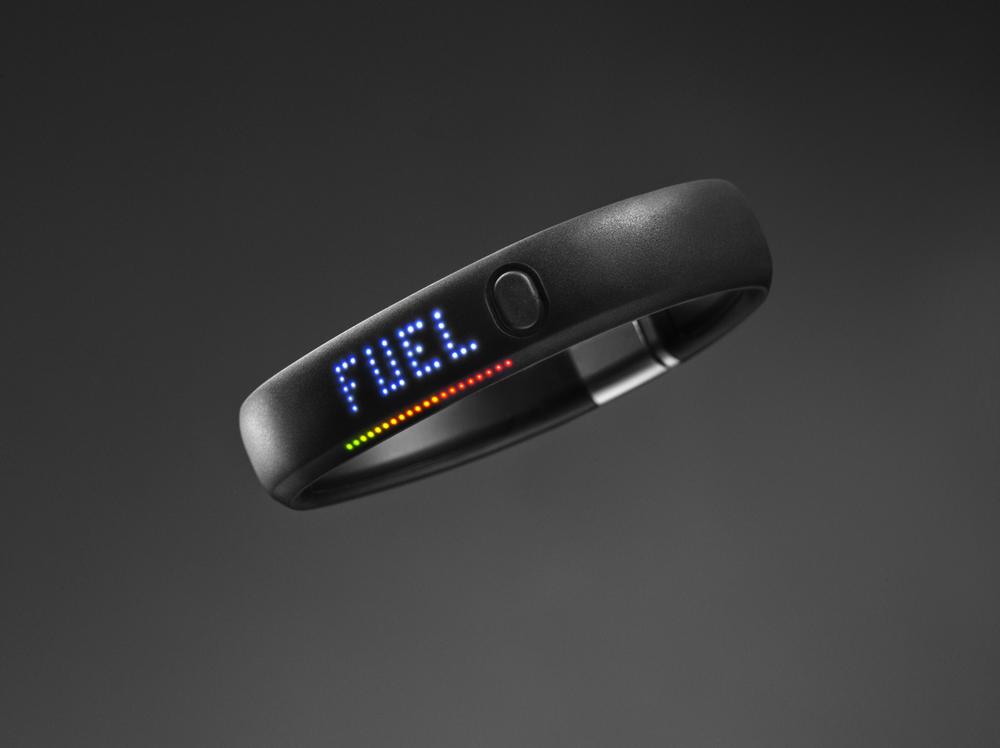
From the music business to hospitality, new technologies are disrupting a long list of industries. With Google Glass, I-Watch, the Nike Fuel Band and a host of other wearable technologies coming to market, one wonders how these could advance or hinder health club business models.
Current global revenues of US$3–$5bn are set to explode to more than US$50bn in the area of wearable tech over the next three to five years – and some think that’s a conservative outlook.
Research firm ON World recently released its mobile health and wellness sensor reports which predicted that, in 2017, 515 million sensors for wearable, implantable or mobile health and fitness devices will be shipped globally, up from 107 million in 2012. ON World estimates that, by 2017, wearables will make up 80 per cent of the “mobile sensing health and fitness device” market. That figure includes smart watches, which it believes 48 per cent of consumers will primarily use for health and fitness (see http://lei.sr?a=H8g5r)
Meanwhile a new report from Juniper Research suggests that health and fitness devices will make up half of all wireless accessories shipped by 2018 (see http://lei.sr?a=0l1h4)
While these numbers may seem outrageous, consider this: CISCO forecasts that, by the end of 2013, the number of internet-connected mobile devices will actually exceed the human population. In Hong Kong alone, the average person has two smartphone devices, yet the modern smartphone trend emerged only five years ago. And in the US today, more than 35 million people are using health tracking devices. It’s not unreasonable to think that this trend is just getting started.
A new healthcare model So what does this mean for health clubs? The implications are unclear, but in a world where the cost of traditional ‘sick care’ is unsustainable, the paradigm of preventative and ‘do it yourself’ patient care is increasingly relevant. While traditionally the health club industry has largely catered to already fit enthusiasts, the opportunity to capture the much larger and growing sedentary market is being made more viable through these new wearable devices, with the proven idea that lifestyle management is the best means of driving down healthcare costs.
In his controversial book, The Creative Destruction of Medicine: How the Digital Revolution Will Create Better Health Care, Dr Eric Topol sets out a construct of the future of healthcare. According to Topol, putting important health data in patients’ hands is key to bringing about a digital health revolution.
During a recent speech, the doctor said: “There are more than a billion pre-diabetics on the planet, and we have warned them not to become diabetic. What if they could get their glucose every five minutes just for a week, and learn what are the foods and the lifestyle choices that are putting their pancreas into a high-gear mode we want to avoid? Wouldn’t that be a great education for that individual, because each one has his own environment, own nutrition?”
Topol is right: primary prevention is key to enhancing the quality of life for billions of people by avoiding chronic disease in the first place. Increasingly convenient and inexpensive devices could be a key part of systems that keep people healthy by impacting on lifestyles.
Integrating technology The DIY Health movement, known to some as the Quantified Self trend (see HCM April 13, p39), has evolved from the surge in new apps and devices actively being adopted by consumers keen on preventing, examining, improving, monitoring and managing their health. How health clubs could get involved in this shift is an important question. The fitness industry has reached an inflection point where business models are going through increasing fragmentation as consumer needs become more distinct and business models are honed. The paradigm created by rising healthcare costs will create more opportunities for clubs to deliver lifestyle management to clients.
UK operator Nuffield Health is a case in point. Its model represents a commercial bridge between traditional healthcare and primary prevention with assessments, programmes, measures and rewards centred on health outcomes. More business models like Nuffield will be appearing, and their reliance on technology as a key component of service delivery is likely. Indeed, as physical and digital worlds merge, new forms of wearables like Google Glass will lead to unforeseeable and interesting possibilities.
Wearables technologies – along with internet ubiquity and cloud-based software – will enable facilities to deliver wellness programmes and interact with, track and motivate clients in new ways. It will likely change and expand the ways in which trainers interact with members, moving away from counting reps and towards coaching and advising clients, with a lot more behavioural data at hand.
Meanwhile, as governments and employers wrestle with rising costs associated with chronic disease, they will look for solutions that achieve health outcomes which avoid medical conditions – and the fitness industry could address that opportunity.
The recent Affordable Care Act, which goes into effect in the US in 2014 (see also p82), serves as evidence that policy must factor in primary prevention as part of the sick care equation. This approach by governments and employers will be a larger part of the cost reduction equation in the coming years.
Growth of competition All that glitters is not gold, as the wearable trend will create risks. While these technologies will enable new business models for clubs that seek to service members 24/7, both inside and outside of their four walls, they could also usher in a new era of competition.
Apple has hired experts in sensors that monitor the human body from companies like AccuVein, C8 MediSensors and Senseonics. The electronics giant Samsung recently divulged that it’s investing heavily in wearable computers, and revealed that it’s even developing systems for stick-on patches to monitor health. The business opportunity created by prevention and technology is not going unnoticed.
In the end, the surge in new technologies – particularly wearables – will create new ways of helping people improve their quality of life and avoid chronic disease. Industries and businesses that figure out how best to incorporate these tools in a systematic way, to provide outcomes for their clients, should flourish.
Will the health club industry be part of this equation? I think so.
Bryan O’Rourke is a health club industry expert, technologist, financier, shareholder and executive in several fitness companies. He works for Fitmarc, which delivers Les Mills programmes to over 700 facilities in the US, and heads up the firms Integerus and Fitsomo as CEO. He advises successful global brands, serves as a member of the GGFA Think Tank and is CEO of the Fitness Industry Technology Council (www.fit-c.org). He was also recently appointed to the ACE industry advisory panel.
Website www.bryankorourke.com
Google Glass: The new eyeware technology could have fitness applications
Panatta brought together four of the most influential figures in bodybuilding history on the
stage of RiminiWellness 2026: Phil Heath, Lee Haney, Ronnie Coleman and Hany Rambod. [more...]
CoverMe, the global leader in fitness workforce management, today launches CoverMe PT, an
on-demand personal training platform that connects the right personal trainer to the right
client in under 10 seconds. [more...]
+ More featured suppliers
COMPANY PROFILES
ukactive
ukactive is the UK’s leading trade body for the physical activity sector, bringing together more tha [more...]
How could wearable technologies impact the
health club business? Bryan O’Rourke shares his
views on the possibilities offered by the latest
technological innovations
By Bryan O’Rourke | Published in Health Club Management 2013 issue 9
The Quantified Self trend has evolved off the back of a surge in health monitoring devices
In May of this year, Credit Suisse analysts advised their investment clients of “the next big thing”, and it wasn’t an innovative new drug or social network platform – it was wearable technology.
From the music business to hospitality, new technologies are disrupting a long list of industries. With Google Glass, I-Watch, the Nike Fuel Band and a host of other wearable technologies coming to market, one wonders how these could advance or hinder health club business models.
Current global revenues of US$3–$5bn are set to explode to more than US$50bn in the area of wearable tech over the next three to five years – and some think that’s a conservative outlook.
Research firm ON World recently released its mobile health and wellness sensor reports which predicted that, in 2017, 515 million sensors for wearable, implantable or mobile health and fitness devices will be shipped globally, up from 107 million in 2012. ON World estimates that, by 2017, wearables will make up 80 per cent of the “mobile sensing health and fitness device” market. That figure includes smart watches, which it believes 48 per cent of consumers will primarily use for health and fitness (see http://lei.sr?a=H8g5r)
Meanwhile a new report from Juniper Research suggests that health and fitness devices will make up half of all wireless accessories shipped by 2018 (see http://lei.sr?a=0l1h4)
While these numbers may seem outrageous, consider this: CISCO forecasts that, by the end of 2013, the number of internet-connected mobile devices will actually exceed the human population. In Hong Kong alone, the average person has two smartphone devices, yet the modern smartphone trend emerged only five years ago. And in the US today, more than 35 million people are using health tracking devices. It’s not unreasonable to think that this trend is just getting started.
A new healthcare model So what does this mean for health clubs? The implications are unclear, but in a world where the cost of traditional ‘sick care’ is unsustainable, the paradigm of preventative and ‘do it yourself’ patient care is increasingly relevant. While traditionally the health club industry has largely catered to already fit enthusiasts, the opportunity to capture the much larger and growing sedentary market is being made more viable through these new wearable devices, with the proven idea that lifestyle management is the best means of driving down healthcare costs.
In his controversial book, The Creative Destruction of Medicine: How the Digital Revolution Will Create Better Health Care, Dr Eric Topol sets out a construct of the future of healthcare. According to Topol, putting important health data in patients’ hands is key to bringing about a digital health revolution.
During a recent speech, the doctor said: “There are more than a billion pre-diabetics on the planet, and we have warned them not to become diabetic. What if they could get their glucose every five minutes just for a week, and learn what are the foods and the lifestyle choices that are putting their pancreas into a high-gear mode we want to avoid? Wouldn’t that be a great education for that individual, because each one has his own environment, own nutrition?”
Topol is right: primary prevention is key to enhancing the quality of life for billions of people by avoiding chronic disease in the first place. Increasingly convenient and inexpensive devices could be a key part of systems that keep people healthy by impacting on lifestyles.
Integrating technology The DIY Health movement, known to some as the Quantified Self trend (see HCM April 13, p39), has evolved from the surge in new apps and devices actively being adopted by consumers keen on preventing, examining, improving, monitoring and managing their health. How health clubs could get involved in this shift is an important question. The fitness industry has reached an inflection point where business models are going through increasing fragmentation as consumer needs become more distinct and business models are honed. The paradigm created by rising healthcare costs will create more opportunities for clubs to deliver lifestyle management to clients.
UK operator Nuffield Health is a case in point. Its model represents a commercial bridge between traditional healthcare and primary prevention with assessments, programmes, measures and rewards centred on health outcomes. More business models like Nuffield will be appearing, and their reliance on technology as a key component of service delivery is likely. Indeed, as physical and digital worlds merge, new forms of wearables like Google Glass will lead to unforeseeable and interesting possibilities.
Wearables technologies – along with internet ubiquity and cloud-based software – will enable facilities to deliver wellness programmes and interact with, track and motivate clients in new ways. It will likely change and expand the ways in which trainers interact with members, moving away from counting reps and towards coaching and advising clients, with a lot more behavioural data at hand.
Meanwhile, as governments and employers wrestle with rising costs associated with chronic disease, they will look for solutions that achieve health outcomes which avoid medical conditions – and the fitness industry could address that opportunity.
The recent Affordable Care Act, which goes into effect in the US in 2014 (see also p82), serves as evidence that policy must factor in primary prevention as part of the sick care equation. This approach by governments and employers will be a larger part of the cost reduction equation in the coming years.
Growth of competition All that glitters is not gold, as the wearable trend will create risks. While these technologies will enable new business models for clubs that seek to service members 24/7, both inside and outside of their four walls, they could also usher in a new era of competition.
Apple has hired experts in sensors that monitor the human body from companies like AccuVein, C8 MediSensors and Senseonics. The electronics giant Samsung recently divulged that it’s investing heavily in wearable computers, and revealed that it’s even developing systems for stick-on patches to monitor health. The business opportunity created by prevention and technology is not going unnoticed.
In the end, the surge in new technologies – particularly wearables – will create new ways of helping people improve their quality of life and avoid chronic disease. Industries and businesses that figure out how best to incorporate these tools in a systematic way, to provide outcomes for their clients, should flourish.
Will the health club industry be part of this equation? I think so.
Bryan O’Rourke is a health club industry expert, technologist, financier, shareholder and executive in several fitness companies. He works for Fitmarc, which delivers Les Mills programmes to over 700 facilities in the US, and heads up the firms Integerus and Fitsomo as CEO. He advises successful global brands, serves as a member of the GGFA Think Tank and is CEO of the Fitness Industry Technology Council (www.fit-c.org). He was also recently appointed to the ACE industry advisory panel.
Website www.bryankorourke.com
Google Glass: The new eyeware technology could have fitness applications
The UK's four Chief Medical Officers have published a refreshed edition of Physical activity
guidelines: UK Chief Medical Officers' report, updating the evidence that underpins the nation's
physical activity recommendations and placing greater emphasis on strength, balance, reducing
sedentary behaviour and, for the first time, supporting people taking weight loss medications.
Places Leisure has exchanged contracts to build and operate a flagship £60m water and leisure
destination on behalf of Basingstoke and Deane Borough Council.
The Republic of Ireland will become the latest market in PureGym’s expanding international
portfolio, with the first launch planned for Dublin in 2027.
Anytime Fitness opened more than one club a day in 2025 and is on track to maintain this rate
of growth this year, as parent company Purpose Brands targets further international expansion.
The £33.9 million Leighton Leisure and Community Centre has opened in Leighton Buzzard, UK,
creating a next-generation public leisure, health and wellbeing hub for the local community.
Walnuts Leisure Centre in Orpington, in the London Borough of Bromley, has reopened following
a £17m transformation designed to secure the long-term future of the public leisure asset and
reposition it as a community wellbeing hub.
The Gym Group, has announced that it's sustained positive trading momentum has continued
through the first half of 2026 and the company remains confident about the outlook.
Luxury boutique Pilates and wellness studio, X-Club, officially launches a
4,000sq ft flagship at
Marylebone on 16 July Built around X-Club’s four pillars of wellness – mind,
movement,
nutrition and therapy – the facility features two group exercise studi
Panatta brought together four of the most influential figures in bodybuilding history on the
stage of RiminiWellness 2026: Phil Heath, Lee Haney, Ronnie Coleman and Hany Rambod. [more...]
CoverMe, the global leader in fitness workforce management, today launches CoverMe PT, an
on-demand personal training platform that connects the right personal trainer to the right
client in under 10 seconds. [more...]
+ More featured suppliers
COMPANY PROFILES
ukactive ukactive is the UK’s leading trade body for the physical activity sector, bringing together more tha [more...]