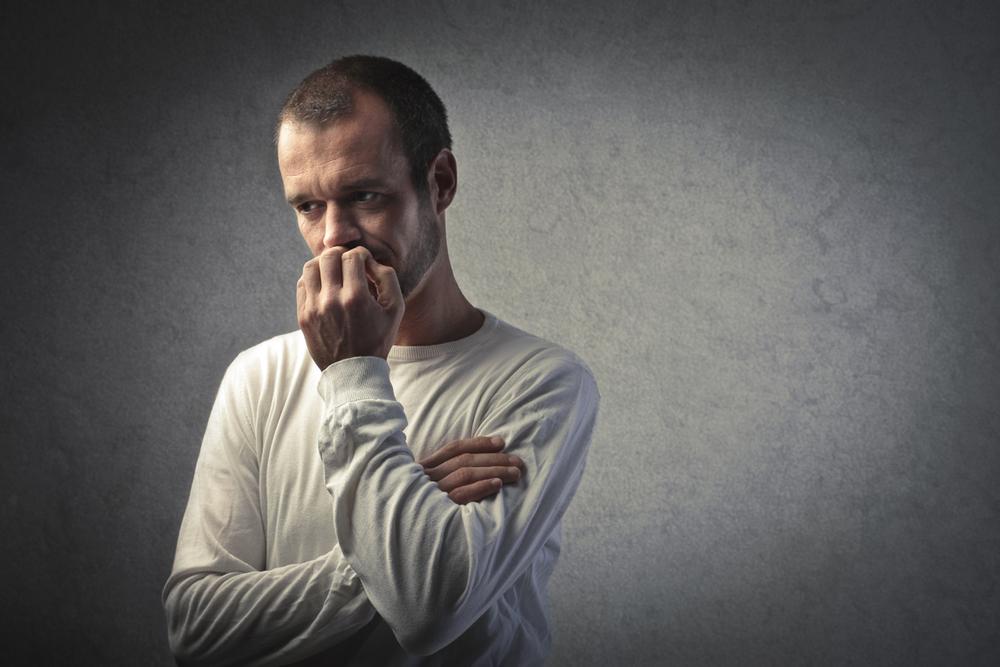
It’s commonly accepted that regular exercise helps reduce anxiety and stress, but just how it does this has not been clear. What’s also confused scientists is how exercise can help people feel more calm when it actually stimulates the growth of new, more excitable/active neurons in the ventral hippocampus – the main part of the brain that helps to regulate anxiety.
However, scientists at the University of Princeton in the US now think they have the answer to both of these conundrums. Their findings were published in the May 2013 edition of the Journal of Neuroscience*.
Shocking test The findings were based on a small study of adult mice. One group of mice was given unlimited access to a running wheel, while another group was not and remained sedentary and caged. As natural runners, mice will cover up to 2.5 miles daily on a wheel.
After six weeks, all mice were briefly exposed to cold water to activate the ventral hippocampus. An analysis of brain activity showed that the cells of active and sedentary mice responded in different ways almost as soon as they were faced with this stressful situation.
Brain-altering activity The scientists discovered four underlying mechanisms at work when the mice were exposed to the cold water.
In the neurons of the sedentary mice, the shock spurred an increase in ‘immediate early genes’ – short-lived genes that are rapidly turned on when a neuron fires. However, the active mice did not have these genes in their neurons, which suggests their brain cells did not immediately leap into an excited state in response to the cold water.
Instead, the brains in active mice showed every sign of controlling reactions above and beyond what was observed in sedentary mice – which is where the three other mechanisms come into play.
In the active mice, there was also a boost of activity in inhibitory neurons when they were exposed to the cold water. These inhibitory neurons keep excitable neurons – those more likely to rapidly respond to stimuli – in check, thereby shutting off excitement in the ventral hippocampus.
Simultaneously, the scientists observed that the brain neurons in the active mice released more of the neurotransmitter gamma-aminobutyric acid (GABA), which dampens neural excitement. Finally, a protein that helps to deliver and release GABA into the brain was also present in higher amounts in the non-sedentary group.
In short, the scientists found that physical activity rewires the brain to cope better with stress.
Treating anxiety This is one of the first studies to focus in depth on the impact of exercise on the ventral hippocampus. As such, it has helped to pinpoint the important brain cells and regions related to anxiety regulation. The research also shows that the brain can be extremely adaptive, tailoring its own processes according to the lifestyle and surroundings of an organism.
Senior author Elizabeth Gould, Princeton’s Dorman T Warren professor of psychology, says: “Understanding how the brain regulates anxious behaviour gives us potential clues about helping people with anxiety disorders. It also tells us something about how the brain modifies itself to respond optimally to its own environment.”
*Gould E et al. Physical exercise prevents stress-induced activation of granule neurons and enhances local inhibitory mechanisms in the dentate gyrus. J Neurosci, May 2013
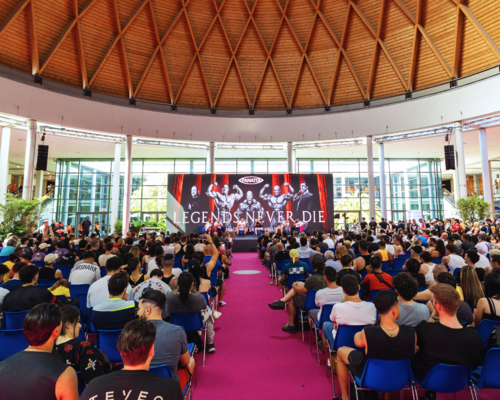
Panatta brought together four of the most influential figures in bodybuilding history on the
stage of RiminiWellness 2026: Phil Heath, Lee Haney, Ronnie Coleman and Hany Rambod. [more...]
Active Blackpool is deploying Cornerstone Connect, a new digital interface allowing
disparate information from multiple systems to be aggregated into one dataset, to support
its focus on reducing health inequalities and improving healthy life expectancy. [more...]
+ More featured suppliers
COMPANY PROFILES
PSLT Ltd
PSLT Fitness Solutions manufacture, remanufacture and buy back commercial gym equipment. [more...]
Orbit4
With Orbit4, you’ll always have full visibility
of your equipment inventory, the true
market value [more...]
It’s commonly accepted that regular exercise helps reduce anxiety and stress, but just how it does this has not been clear. What’s also confused scientists is how exercise can help people feel more calm when it actually stimulates the growth of new, more excitable/active neurons in the ventral hippocampus – the main part of the brain that helps to regulate anxiety.
However, scientists at the University of Princeton in the US now think they have the answer to both of these conundrums. Their findings were published in the May 2013 edition of the Journal of Neuroscience*.
Shocking test The findings were based on a small study of adult mice. One group of mice was given unlimited access to a running wheel, while another group was not and remained sedentary and caged. As natural runners, mice will cover up to 2.5 miles daily on a wheel.
After six weeks, all mice were briefly exposed to cold water to activate the ventral hippocampus. An analysis of brain activity showed that the cells of active and sedentary mice responded in different ways almost as soon as they were faced with this stressful situation.
Brain-altering activity The scientists discovered four underlying mechanisms at work when the mice were exposed to the cold water.
In the neurons of the sedentary mice, the shock spurred an increase in ‘immediate early genes’ – short-lived genes that are rapidly turned on when a neuron fires. However, the active mice did not have these genes in their neurons, which suggests their brain cells did not immediately leap into an excited state in response to the cold water.
Instead, the brains in active mice showed every sign of controlling reactions above and beyond what was observed in sedentary mice – which is where the three other mechanisms come into play.
In the active mice, there was also a boost of activity in inhibitory neurons when they were exposed to the cold water. These inhibitory neurons keep excitable neurons – those more likely to rapidly respond to stimuli – in check, thereby shutting off excitement in the ventral hippocampus.
Simultaneously, the scientists observed that the brain neurons in the active mice released more of the neurotransmitter gamma-aminobutyric acid (GABA), which dampens neural excitement. Finally, a protein that helps to deliver and release GABA into the brain was also present in higher amounts in the non-sedentary group.
In short, the scientists found that physical activity rewires the brain to cope better with stress.
Treating anxiety This is one of the first studies to focus in depth on the impact of exercise on the ventral hippocampus. As such, it has helped to pinpoint the important brain cells and regions related to anxiety regulation. The research also shows that the brain can be extremely adaptive, tailoring its own processes according to the lifestyle and surroundings of an organism.
Senior author Elizabeth Gould, Princeton’s Dorman T Warren professor of psychology, says: “Understanding how the brain regulates anxious behaviour gives us potential clues about helping people with anxiety disorders. It also tells us something about how the brain modifies itself to respond optimally to its own environment.”
*Gould E et al. Physical exercise prevents stress-induced activation of granule neurons and enhances local inhibitory mechanisms in the dentate gyrus. J Neurosci, May 2013
The UK's four Chief Medical Officers have published a refreshed edition of Physical activity
guidelines: UK Chief Medical Officers' report, updating the evidence that underpins the nation's
physical activity recommendations and placing greater emphasis on strength, balance, reducing
sedentary behaviour and, for the first time, supporting people taking weight loss medications.
Places Leisure has exchanged contracts to build and operate a flagship £60m water and leisure
destination on behalf of Basingstoke and Deane Borough Council.
The Republic of Ireland will become the latest market in PureGym’s expanding international
portfolio, with the first launch planned for Dublin in 2027.
Anytime Fitness opened more than one club a day in 2025 and is on track to maintain this rate
of growth this year, as parent company Purpose Brands targets further international expansion.
The £33.9 million Leighton Leisure and Community Centre has opened in Leighton Buzzard, UK,
creating a next-generation public leisure, health and wellbeing hub for the local community.
Walnuts Leisure Centre in Orpington, in the London Borough of Bromley, has reopened following
a £17m transformation designed to secure the long-term future of the public leisure asset and
reposition it as a community wellbeing hub.
The Gym Group, has announced that it's sustained positive trading momentum has continued
through the first half of 2026 and the company remains confident about the outlook.
Luxury boutique Pilates and wellness studio, X-Club, officially launches a
4,000sq ft flagship at
Marylebone on 16 July Built around X-Club’s four pillars of wellness – mind,
movement,
nutrition and therapy – the facility features two group exercise studi
Panatta brought together four of the most influential figures in bodybuilding history on the
stage of RiminiWellness 2026: Phil Heath, Lee Haney, Ronnie Coleman and Hany Rambod. [more...]
Active Blackpool is deploying Cornerstone Connect, a new digital interface allowing
disparate information from multiple systems to be aggregated into one dataset, to support
its focus on reducing health inequalities and improving healthy life expectancy. [more...]
+ More featured suppliers
COMPANY PROFILES
PSLT Ltd PSLT Fitness Solutions manufacture, remanufacture and buy back commercial gym equipment. [more...]