Research shows girls are more likely to exercise if there’s a small group class
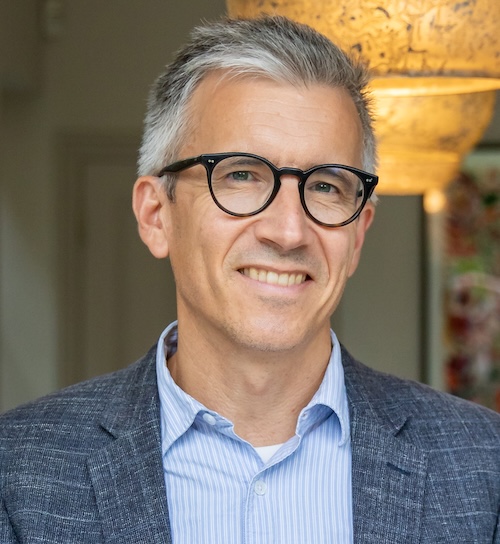
Karen Keohane, National programme manager, Us Girls
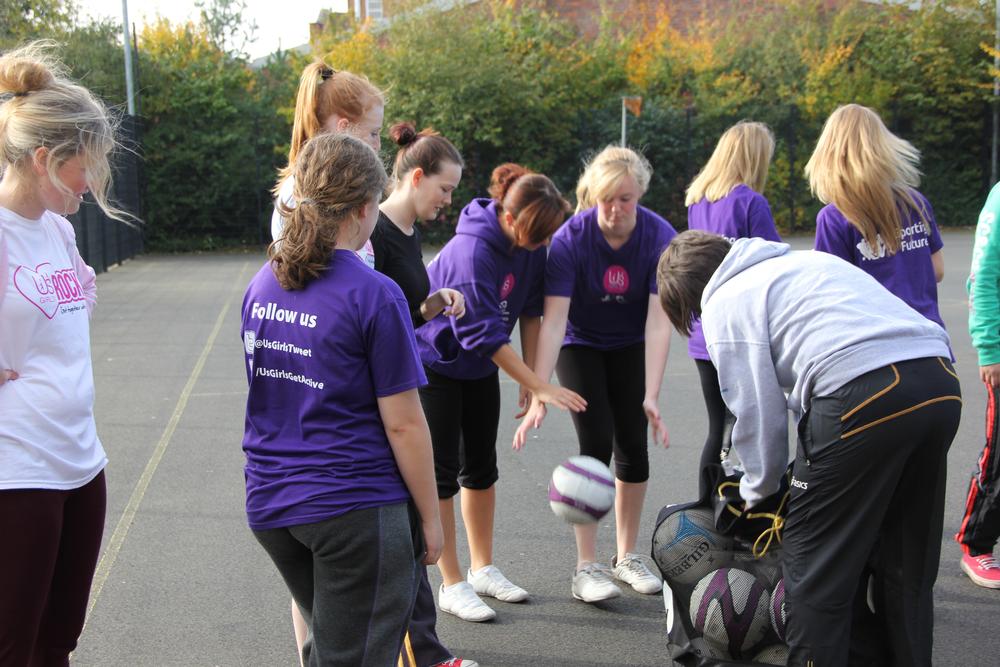
It was with great interest that I read your body confidence article last year (see HCM June 12, p50). Us Girls – a sports charity aimed at getting young women aged 14 to 25 active – launched in April 2011 to get 30,000 young women from disadvantaged areas more active by providing them with fitness and sporting opportunities within their local communities. As such, we fully understand the significance of body image as a barrier to exercise. The fact that the issue is still prevalent among women aged over 30 makes it even more important to resolve the problem in younger generations.
Negative body image is associated with low self-esteem, emotional distress and depression, as well as being a risk factor for eating disorders. Us Girls has recently commissioned its own research into body image, and the study confirmed that many young women do not take part in organised exercise classes because they are too conscious of how they look. While they acknowledge that exercise will lead to improved fitness and general wellbeing, they are struggling to break the vicious circle which a negative body image imposes on them.
The research also suggests that young women are more likely to exercise if they enjoy the activity and if they are part of a small group, with group goals to achieve. Us Girls has shared these findings with the sports industry and produced ‘how to’ guides to help organisations understand the issue and help remove barriers.
Balancing trends with long-term health management I was interested to read your recent editor’s letter, ‘A broader church’ (HCM NovDec 12, p3). As an industry, we are as fickle as the consumer. We jump from trend to trend in a bid to engage new audiences, which sometimes leads our existing members and customers to become disengaged and disinterested. That said, I believe some of these trends – especially those linked to HIT – will enable small, independent operators to create niches within their local communities, with lower initial set-up costs.
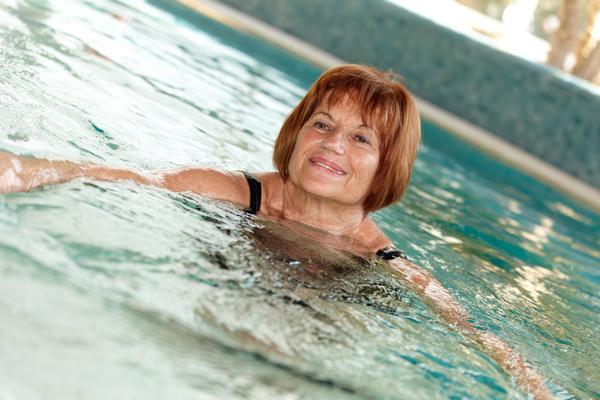
However, as a large operator of multi-service facilities, we would never specialise. Our user base is too diverse, from 80-year-olds who come for an early morning swim to families playing badminton and people on GP referral schemes. We are also placing more emphasis on the creation of zones – a bit like what Fitness Club 24 in Poland is doing – which enables flexibility.
For us, and indeed our clients, it’s all about the health agenda and what we can do to offer a more holistic approach to health and wellbeing. Trends come and go, but long-term sustainable health management is a serious matter, which is why this will always be at the centre of our offering. We will always appeal to a wide and diverse target audience within our communities.
Kevin Yates, Head of fitness, retention and marketing, Leisure Connection
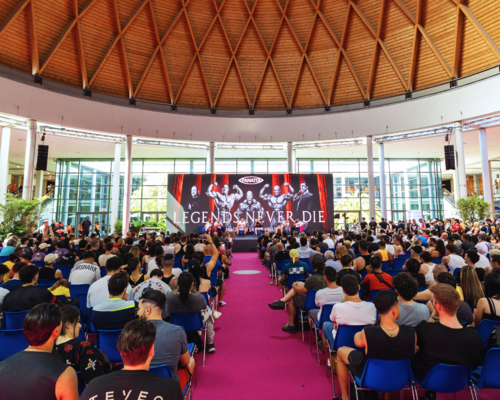
Panatta brought together four of the most influential figures in bodybuilding history on the
stage of RiminiWellness 2026: Phil Heath, Lee Haney, Ronnie Coleman and Hany Rambod. [more...]
Active Blackpool is deploying Cornerstone Connect, a new digital interface allowing
disparate information from multiple systems to be aggregated into one dataset, to support
its focus on reducing health inequalities and improving healthy life expectancy. [more...]
+ More featured suppliers
COMPANY PROFILES
Serco Leisure
Serco Leisure Operating Limited is one of the UK’s leading national operators of leisure centres, de [more...]
ukactive
ukactive is the UK’s leading trade body for the physical activity sector, bringing together more tha [more...]
Research shows girls are more likely to exercise if there’s a small group class
Karen Keohane, National programme manager, Us Girls
It was with great interest that I read your body confidence article last year (see HCM June 12, p50). Us Girls – a sports charity aimed at getting young women aged 14 to 25 active – launched in April 2011 to get 30,000 young women from disadvantaged areas more active by providing them with fitness and sporting opportunities within their local communities. As such, we fully understand the significance of body image as a barrier to exercise. The fact that the issue is still prevalent among women aged over 30 makes it even more important to resolve the problem in younger generations.
Negative body image is associated with low self-esteem, emotional distress and depression, as well as being a risk factor for eating disorders. Us Girls has recently commissioned its own research into body image, and the study confirmed that many young women do not take part in organised exercise classes because they are too conscious of how they look. While they acknowledge that exercise will lead to improved fitness and general wellbeing, they are struggling to break the vicious circle which a negative body image imposes on them.
The research also suggests that young women are more likely to exercise if they enjoy the activity and if they are part of a small group, with group goals to achieve. Us Girls has shared these findings with the sports industry and produced ‘how to’ guides to help organisations understand the issue and help remove barriers.
Balancing trends with long-term health management I was interested to read your recent editor’s letter, ‘A broader church’ (HCM NovDec 12, p3). As an industry, we are as fickle as the consumer. We jump from trend to trend in a bid to engage new audiences, which sometimes leads our existing members and customers to become disengaged and disinterested. That said, I believe some of these trends – especially those linked to HIT – will enable small, independent operators to create niches within their local communities, with lower initial set-up costs.
However, as a large operator of multi-service facilities, we would never specialise. Our user base is too diverse, from 80-year-olds who come for an early morning swim to families playing badminton and people on GP referral schemes. We are also placing more emphasis on the creation of zones – a bit like what Fitness Club 24 in Poland is doing – which enables flexibility.
For us, and indeed our clients, it’s all about the health agenda and what we can do to offer a more holistic approach to health and wellbeing. Trends come and go, but long-term sustainable health management is a serious matter, which is why this will always be at the centre of our offering. We will always appeal to a wide and diverse target audience within our communities.
Kevin Yates, Head of fitness, retention and marketing, Leisure Connection
The UK's four Chief Medical Officers have published a refreshed edition of Physical activity
guidelines: UK Chief Medical Officers' report, updating the evidence that underpins the nation's
physical activity recommendations and placing greater emphasis on strength, balance, reducing
sedentary behaviour and, for the first time, supporting people taking weight loss medications.
Places Leisure has exchanged contracts to build and operate a flagship £60m water and leisure
destination on behalf of Basingstoke and Deane Borough Council.
The Republic of Ireland will become the latest market in PureGym’s expanding international
portfolio, with the first launch planned for Dublin in 2027.
Anytime Fitness opened more than one club a day in 2025 and is on track to maintain this rate
of growth this year, as parent company Purpose Brands targets further international expansion.
The £33.9 million Leighton Leisure and Community Centre has opened in Leighton Buzzard, UK,
creating a next-generation public leisure, health and wellbeing hub for the local community.
Walnuts Leisure Centre in Orpington, in the London Borough of Bromley, has reopened following
a £17m transformation designed to secure the long-term future of the public leisure asset and
reposition it as a community wellbeing hub.
The Gym Group, has announced that it's sustained positive trading momentum has continued
through the first half of 2026 and the company remains confident about the outlook.
Luxury boutique Pilates and wellness studio, X-Club, officially launches a
4,000sq ft flagship at
Marylebone on 16 July Built around X-Club’s four pillars of wellness – mind,
movement,
nutrition and therapy – the facility features two group exercise studi
Panatta brought together four of the most influential figures in bodybuilding history on the
stage of RiminiWellness 2026: Phil Heath, Lee Haney, Ronnie Coleman and Hany Rambod. [more...]
Active Blackpool is deploying Cornerstone Connect, a new digital interface allowing
disparate information from multiple systems to be aggregated into one dataset, to support
its focus on reducing health inequalities and improving healthy life expectancy. [more...]
+ More featured suppliers
COMPANY PROFILES
Serco Leisure Serco Leisure Operating Limited is one of the UK’s leading national operators of leisure centres, de [more...]