The potential for health and
fitness operators to rejoin the UK stock market
Early last year, news that the énergie Group was looking to float on the London market brought back fond memories of a segment of the leisure industry that was once the darling of the stock market. At one point, there were almost a dozen listed companies that were either pure health and fitness club operators, or broader leisure companies with a significant presence in the fitness industry. Today, with the exception of a few hotel groups, there is no listed health and fitness presence in the UK. So what went wrong?
A move to private equity Every company has a different tale to tell, but there are common themes. The explosion of health and fitness clubs onto the stock market gave operators access to capital that they had never really had in terms of scale and cost. This, in turn, drove a land grab in what was still a relatively immature market. A combination of increased competition and quality control failure as far as property was concerned meant that returns started to decline and profit targets were missed. Operators began to fall out of love with the quoted market, and investors began to fall out of love with the fitness industry.
For the larger groups such as Cannons, Esporta, Fitness First, Holmes Place and LA Fitness, the answer appeared to be private equity. The belief was that the stock market was far too short-term, and that private equity had a greater appreciation of the fitness industry’s long-term potential. However, we believe that for some operators this was more a case of looking for somebody to blame, rather than appreciating that the market was a very different place from what it was in the 1980s and early 1990s: the trading climate was changing, competition was increasing, clubs could no longer charge the same level of joining fees, rents were going up, and these pressures were not temporary. Private equity in some cases worked, but in others all it did was overburden companies with debt – a situation exacerbated by the credit crisis.
It is perhaps no coincidence that Esporta and Holmes Place have been subsumed by Virgin Active – the one group that didn’t indulge in the land grab 10–15 years ago, and that wasn’t quoted on the market.
Budget potential So, more than a decade on from the heyday of the quoted health and fitness sector, how likely are we ever to see a listed operator again?
This was no doubt the question asked by énergie CEO Jan Spaticchia when he looked to IPO énergie earlier this year. Given that énergie ultimately withdrew from its prospective IPO, the answer would appear to be ‘never’. However, we believe that this needn’t be the case.
While not wishing to focus too much on énergie, the reality was that stock market sentiment deteriorated just at the time it was looking to float. At the same time, the company’s size restricted the potential investor base. Furthermore, énergie is not straightforward, as it’s a combination of franchised and owned health and fitness clubs. Therefore, we don’t necessarily view énergie’s experience as an indication of the market’s willingness to re-embrace the health and fitness sector.
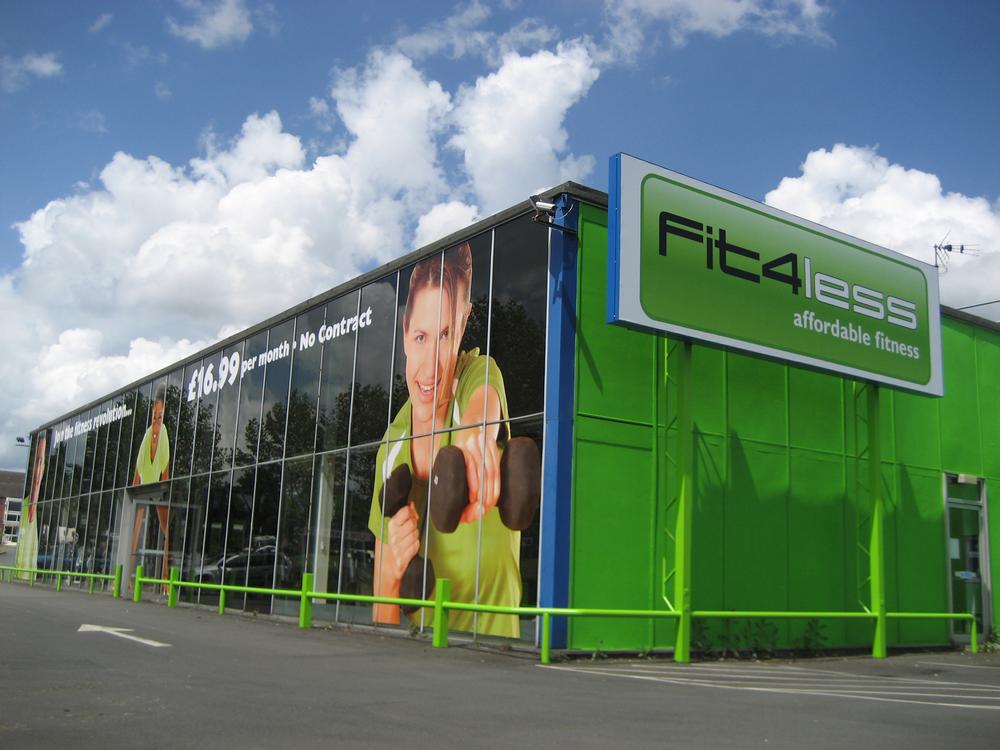
The segment of the health and fitness club industry making the most noise at the moment is the budget sector. In our opinion, there has always been good latent demand for a truly budget offering in the UK. The problem was the availability of the right property at the right price. One of the few positives to come out of the recession and credit crunch is the increased availability of property at reasonable rents. This has enabled those companies with access to capital to accelerate the development of their estates. In turn, this has helped improve their respective covenants.
The Gym Group and Pure Gym have been major beneficiaries of this dynamic. The challenge for both groups – and the other budget operators – will be to maintain their discipline as far as property is concerned. They need to avoid the mistakes the industry made in the past – ie don’t overpay for rents and don’t compromise on property. It doesn’t matter how good the offering is, if the rent is wrong and/or the location is wrong, the financial model collapses. Whether for private equity or quoted market investors, this will be a particular concern. Nevertheless, if budget operators can convince the investment community their approach is disciplined, then the latter should be interested in a segment of the market that appears to offer significant growth potential.
A resilient sector But is there life beyond the budget operators in the health club sector?
One of the major attractions of the industry back in the 1990s was its growth potential. With the exception of the budget sector, over the past few years, industry growth has been pedestrian. However, given the state of the economy and the unhelpful advice of many newspapers, which advised people to dump their gym membership when the recession hit, the industry has performed relatively well. Indeed, this addresses one of the major concerns prior to entering the recession: that membership would collapse when consumers came under real economic pressure. This clearly hasn’t happened, and is in large part the result of hard work by operators, engaging more effectively with members and becoming more involved with the broader health debate, led by ukactive (formerly the FIA). For us, this is a demonstration that the industry’s quality of earnings is higher than many perceive it to be.
The success of Virgin Active also shows that it is not all about the budget sector. Indeed, Virgin Active is one of the success stories of the UK leisure industry over the past decade. CVC took a controlling interest in the company last year, but ultimately we see Virgin Active as an attractive IPO candidate.
For a number of the larger operators, the path to the stock market or new investment is made more difficult because of their capital structures and property hangovers from yesteryear, rather than the prospects for the industry in general. In some circumstances, this is also compounded by shareholders being unwilling or unable to take a loss on their original investment. There has already been some major merger and acquisition activity in the industry and there may be more to come – ultimately this could end in a stock market IPO.
We don’t believe the quoted equity market is permanently shut to the health and fitness industry. Indeed, with the number of quoted leisure companies having more than halved since 2000, there is a shortage of quality listed investment opportunities. However, a stock market flotation is a long way from being the default next step for operators, as it was around 15 years ago, and we doubt we will ever see a dozen listed health and fitness operators again.
About the author
Nick Batram is a leisure analyst for Peel Hunt. He has been involved in the investment industry for over 25 years, mostly specialising in small and mid cap leisure companies. Considered a leading health club analyst during the 1990s/2000s, he was involved in the IPO of LA Fitness. Other transactions/advisory roles included Virgin Active, Holmes Place, Esporta and Roko.
Peel Hunt is an independent specialist UK equities small/mid cap broking house offering a traditional full-service corporate broking model. It is highly regarded, being ranked in the top three brokers in the 2012 Extel Survey and having more top five sector rankings than any other broker. Peel Hunt is a partnership and is 75 per cent owned by staff.
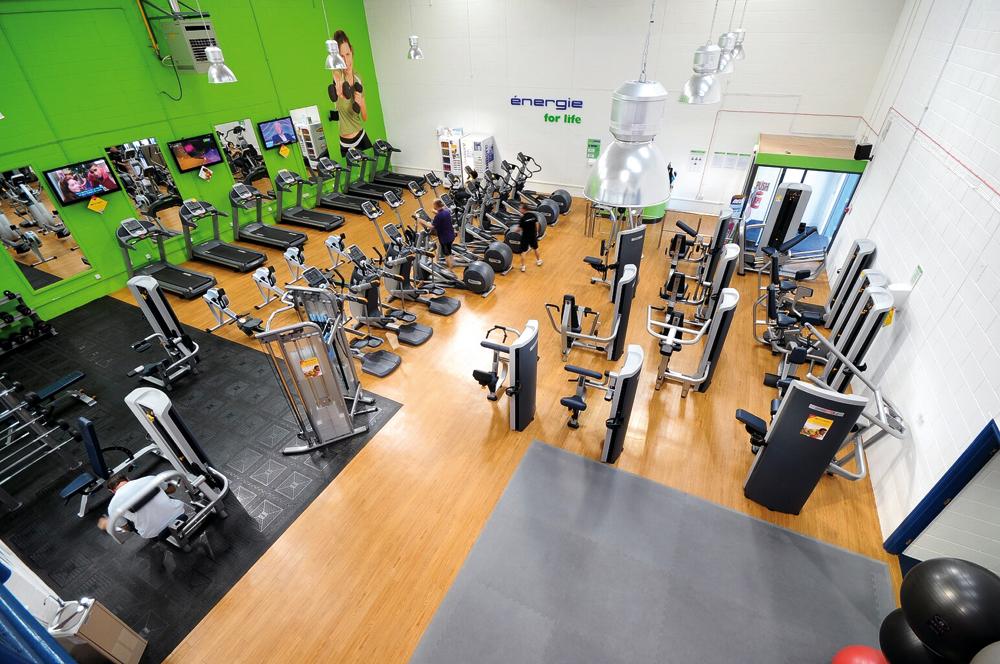
énergie’s withdrawal from its prospective IPO should not be seen ‘as an indication of the market’s willingness to re-embrace fitness’
énergie’s withdrawal from its prospective IPO should not be seen ‘as an indication of the market’s willingness to re-embrace fitness’
If budget operators are disciplined, they may interest the investment community
Low property costs helped budget gyms
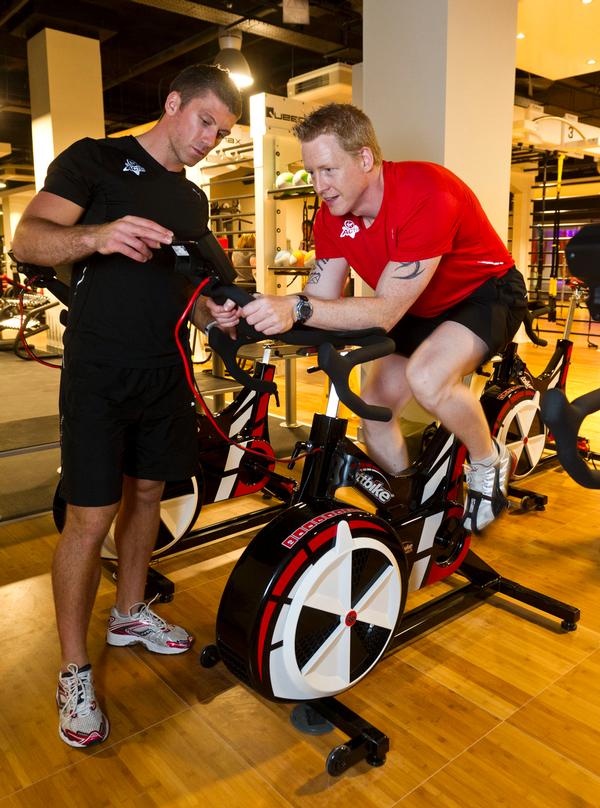
Virgin Active has been one of the success stories of the fitness industry in the past decade – and could be an attractive IPO candidate
Virgin Active has been one of the success stories of the fitness industry in the past decade – and could be an attractive IPO candidate
Panatta brought together four of the most influential figures in bodybuilding history on the
stage of RiminiWellness 2026: Phil Heath, Lee Haney, Ronnie Coleman and Hany Rambod. [more...]
CoverMe, the global leader in fitness workforce management, today launches CoverMe PT, an
on-demand personal training platform that connects the right personal trainer to the right
client in under 10 seconds. [more...]
+ More featured suppliers
COMPANY PROFILES
PSLT Ltd
PSLT Fitness Solutions manufacture, remanufacture and buy back commercial gym equipment. [more...]
The potential for health and
fitness operators to rejoin the UK stock market
Early last year, news that the énergie Group was looking to float on the London market brought back fond memories of a segment of the leisure industry that was once the darling of the stock market. At one point, there were almost a dozen listed companies that were either pure health and fitness club operators, or broader leisure companies with a significant presence in the fitness industry. Today, with the exception of a few hotel groups, there is no listed health and fitness presence in the UK. So what went wrong?
A move to private equity Every company has a different tale to tell, but there are common themes. The explosion of health and fitness clubs onto the stock market gave operators access to capital that they had never really had in terms of scale and cost. This, in turn, drove a land grab in what was still a relatively immature market. A combination of increased competition and quality control failure as far as property was concerned meant that returns started to decline and profit targets were missed. Operators began to fall out of love with the quoted market, and investors began to fall out of love with the fitness industry.
For the larger groups such as Cannons, Esporta, Fitness First, Holmes Place and LA Fitness, the answer appeared to be private equity. The belief was that the stock market was far too short-term, and that private equity had a greater appreciation of the fitness industry’s long-term potential. However, we believe that for some operators this was more a case of looking for somebody to blame, rather than appreciating that the market was a very different place from what it was in the 1980s and early 1990s: the trading climate was changing, competition was increasing, clubs could no longer charge the same level of joining fees, rents were going up, and these pressures were not temporary. Private equity in some cases worked, but in others all it did was overburden companies with debt – a situation exacerbated by the credit crisis.
It is perhaps no coincidence that Esporta and Holmes Place have been subsumed by Virgin Active – the one group that didn’t indulge in the land grab 10–15 years ago, and that wasn’t quoted on the market.
Budget potential So, more than a decade on from the heyday of the quoted health and fitness sector, how likely are we ever to see a listed operator again?
This was no doubt the question asked by énergie CEO Jan Spaticchia when he looked to IPO énergie earlier this year. Given that énergie ultimately withdrew from its prospective IPO, the answer would appear to be ‘never’. However, we believe that this needn’t be the case.
While not wishing to focus too much on énergie, the reality was that stock market sentiment deteriorated just at the time it was looking to float. At the same time, the company’s size restricted the potential investor base. Furthermore, énergie is not straightforward, as it’s a combination of franchised and owned health and fitness clubs. Therefore, we don’t necessarily view énergie’s experience as an indication of the market’s willingness to re-embrace the health and fitness sector.
The segment of the health and fitness club industry making the most noise at the moment is the budget sector. In our opinion, there has always been good latent demand for a truly budget offering in the UK. The problem was the availability of the right property at the right price. One of the few positives to come out of the recession and credit crunch is the increased availability of property at reasonable rents. This has enabled those companies with access to capital to accelerate the development of their estates. In turn, this has helped improve their respective covenants.
The Gym Group and Pure Gym have been major beneficiaries of this dynamic. The challenge for both groups – and the other budget operators – will be to maintain their discipline as far as property is concerned. They need to avoid the mistakes the industry made in the past – ie don’t overpay for rents and don’t compromise on property. It doesn’t matter how good the offering is, if the rent is wrong and/or the location is wrong, the financial model collapses. Whether for private equity or quoted market investors, this will be a particular concern. Nevertheless, if budget operators can convince the investment community their approach is disciplined, then the latter should be interested in a segment of the market that appears to offer significant growth potential.
A resilient sector But is there life beyond the budget operators in the health club sector?
One of the major attractions of the industry back in the 1990s was its growth potential. With the exception of the budget sector, over the past few years, industry growth has been pedestrian. However, given the state of the economy and the unhelpful advice of many newspapers, which advised people to dump their gym membership when the recession hit, the industry has performed relatively well. Indeed, this addresses one of the major concerns prior to entering the recession: that membership would collapse when consumers came under real economic pressure. This clearly hasn’t happened, and is in large part the result of hard work by operators, engaging more effectively with members and becoming more involved with the broader health debate, led by ukactive (formerly the FIA). For us, this is a demonstration that the industry’s quality of earnings is higher than many perceive it to be.
The success of Virgin Active also shows that it is not all about the budget sector. Indeed, Virgin Active is one of the success stories of the UK leisure industry over the past decade. CVC took a controlling interest in the company last year, but ultimately we see Virgin Active as an attractive IPO candidate.
For a number of the larger operators, the path to the stock market or new investment is made more difficult because of their capital structures and property hangovers from yesteryear, rather than the prospects for the industry in general. In some circumstances, this is also compounded by shareholders being unwilling or unable to take a loss on their original investment. There has already been some major merger and acquisition activity in the industry and there may be more to come – ultimately this could end in a stock market IPO.
We don’t believe the quoted equity market is permanently shut to the health and fitness industry. Indeed, with the number of quoted leisure companies having more than halved since 2000, there is a shortage of quality listed investment opportunities. However, a stock market flotation is a long way from being the default next step for operators, as it was around 15 years ago, and we doubt we will ever see a dozen listed health and fitness operators again.
About the author
Nick Batram is a leisure analyst for Peel Hunt. He has been involved in the investment industry for over 25 years, mostly specialising in small and mid cap leisure companies. Considered a leading health club analyst during the 1990s/2000s, he was involved in the IPO of LA Fitness. Other transactions/advisory roles included Virgin Active, Holmes Place, Esporta and Roko.
Peel Hunt is an independent specialist UK equities small/mid cap broking house offering a traditional full-service corporate broking model. It is highly regarded, being ranked in the top three brokers in the 2012 Extel Survey and having more top five sector rankings than any other broker. Peel Hunt is a partnership and is 75 per cent owned by staff.
énergie’s withdrawal from its prospective IPO should not be seen ‘as an indication of the market’s willingness to re-embrace fitness’
énergie’s withdrawal from its prospective IPO should not be seen ‘as an indication of the market’s willingness to re-embrace fitness’
If budget operators are disciplined, they may interest the investment community
Low property costs helped budget gyms
Virgin Active has been one of the success stories of the fitness industry in the past decade – and could be an attractive IPO candidate
Virgin Active has been one of the success stories of the fitness industry in the past decade – and could be an attractive IPO candidate
The UK's four Chief Medical Officers have published a refreshed edition of Physical activity
guidelines: UK Chief Medical Officers' report, updating the evidence that underpins the nation's
physical activity recommendations and placing greater emphasis on strength, balance, reducing
sedentary behaviour and, for the first time, supporting people taking weight loss medications.
Places Leisure has exchanged contracts to build and operate a flagship £60m water and leisure
destination on behalf of Basingstoke and Deane Borough Council.
The Republic of Ireland will become the latest market in PureGym’s expanding international
portfolio, with the first launch planned for Dublin in 2027.
Anytime Fitness opened more than one club a day in 2025 and is on track to maintain this rate
of growth this year, as parent company Purpose Brands targets further international expansion.
The £33.9 million Leighton Leisure and Community Centre has opened in Leighton Buzzard, UK,
creating a next-generation public leisure, health and wellbeing hub for the local community.
Walnuts Leisure Centre in Orpington, in the London Borough of Bromley, has reopened following
a £17m transformation designed to secure the long-term future of the public leisure asset and
reposition it as a community wellbeing hub.
The Gym Group, has announced that it's sustained positive trading momentum has continued
through the first half of 2026 and the company remains confident about the outlook.
Luxury boutique Pilates and wellness studio, X-Club, officially launches a
4,000sq ft flagship at
Marylebone on 16 July Built around X-Club’s four pillars of wellness – mind,
movement,
nutrition and therapy – the facility features two group exercise studi
Panatta brought together four of the most influential figures in bodybuilding history on the
stage of RiminiWellness 2026: Phil Heath, Lee Haney, Ronnie Coleman and Hany Rambod. [more...]
CoverMe, the global leader in fitness workforce management, today launches CoverMe PT, an
on-demand personal training platform that connects the right personal trainer to the right
client in under 10 seconds. [more...]
+ More featured suppliers
COMPANY PROFILES
PSLT Ltd PSLT Fitness Solutions manufacture, remanufacture and buy back commercial gym equipment. [more...]